A company was found negligent and ordered to pay damages and legal costs after one of its workers got injured on the job due to not being trained properly. This included covering the fees of an occupational therapist.
Case: Hobongwana v Benteler South Africa (Pty) Ltd [2023] 4 BLLR 359 (ECP)
The employee (plaintiff) got a lower back injury while working at the company’s (defendant’s) car manufacturing plant. The accident happened while he was working on the SSB line—a new section he had just been moved to. While both sides agreed that an injury took place, they disagreed on who was responsible.
The employee said he didn’t know how to use the machine and told his team leader this. But because there weren’t enough staff, he was told to carry on anyway. He also explained that not following the instruction could lead to disciplinary action. The company claimed they were not at fault and said all workers were properly trained for the machines.
However, the company admitted that the machines had risks and that they had a duty to make sure all workers were trained before using any machinery.
The Court looked at whether the company had taken reasonable steps to protect workers from the risks involved in operating the SSB line machines. It also had to decide if the training the company provided was good enough to meet their legal responsibility.
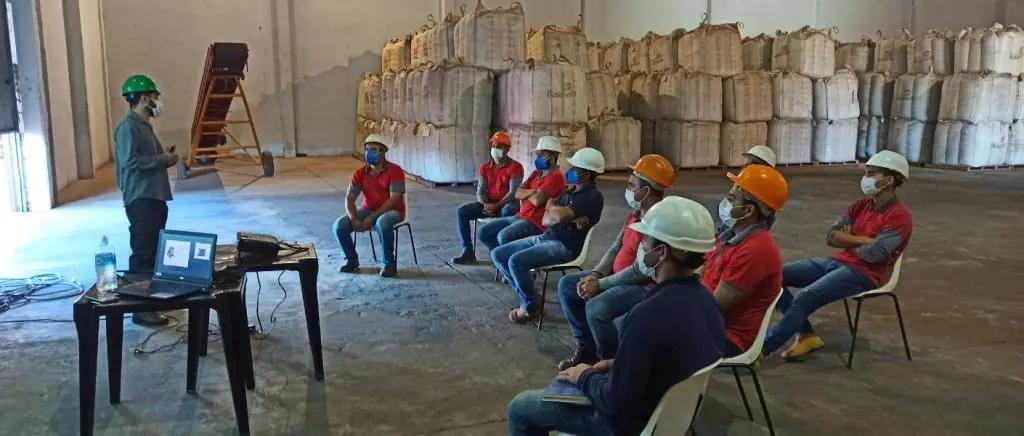
The only training the company could show was a short slideshow presentation on health and safety. The Court found that this wasn’t enough. It didn’t properly prepare workers to operate the machines or explain the dangers clearly.
The Court decided that the company failed in several ways:
- It didn’t give the worker proper training or instructions.
- It didn’t provide enough supervision.
- It didn’t make sure the worker used the machine safely.
- It didn’t do enough to protect the worker’s physical health.
Because of this, the Court found the company negligent.
For a legal claim like this to win, there must be a clear link between what the company did (or didn’t do) and the injury. The Court used the “but for” test (also called the sine qua non test), asking: “Would the injury have happened if the worker had been trained?” The answer was no—if the training had been done right, the injury likely wouldn’t have occurred.
The Court also found that the injury was foreseeable and closely linked to the company’s actions.
In the end, the company was found legally responsible and was ordered to pay for the worker’s damages and the full cost of the trial.
This article is intended for general information purposes only and does not constitute health and safety advice. While every effort is made to ensure accuracy, readers should not rely on this content as a substitute for professional guidance. For assistance with a specific health and safety matter, please consult a qualified practitioner.